In today's world, where environmental concerns are at the forefront of global discussions, adopting eco-friendly practices has become more crucial than ever. Businesses, governments, and individuals are recognizing their responsibility to protect the planet and are increasingly gravitating towards sustainable methods. This shift not only helps preserve the environment but also enhances efficiency, reduces waste, and often leads to economic benefits.
At the core of eco-friendly practices is the principle of sustainability, which revolves around meeting our current needs without compromising the ability of future generations to meet theirs. This philosophy encourages us to consider the long-term impacts of our actions on the planet. By adopting sustainable practices, we can ensure that resources are available for future generations and help mitigate the effects of climate change.
One of the key areas where eco-friendly practices are gaining momentum is in energy consumption. Transitioning to renewable energy sources such as solar, wind, and hydroelectric power is a significant step forward. These sources of energy not only reduce reliance on fossil fuels but also decrease greenhouse gas emissions, contributing to a cleaner atmosphere. Moreover, the cost of renewable energy technologies has rapidly decreased, making them more accessible and economically sensible for businesses and households alike.
Water conservation is another critical aspect of eco-friendly practices. With water scarcity affecting many regions globally, efficient water use is essential. Practices such as rainwater harvesting, implementing drip irrigation systems, and using water-efficient appliances can significantly reduce water wastage. In industries, recycling wastewater and adopting closed-loop water systems are becoming more common, reducing overall consumption and ensuring that water resources are used judiciously.
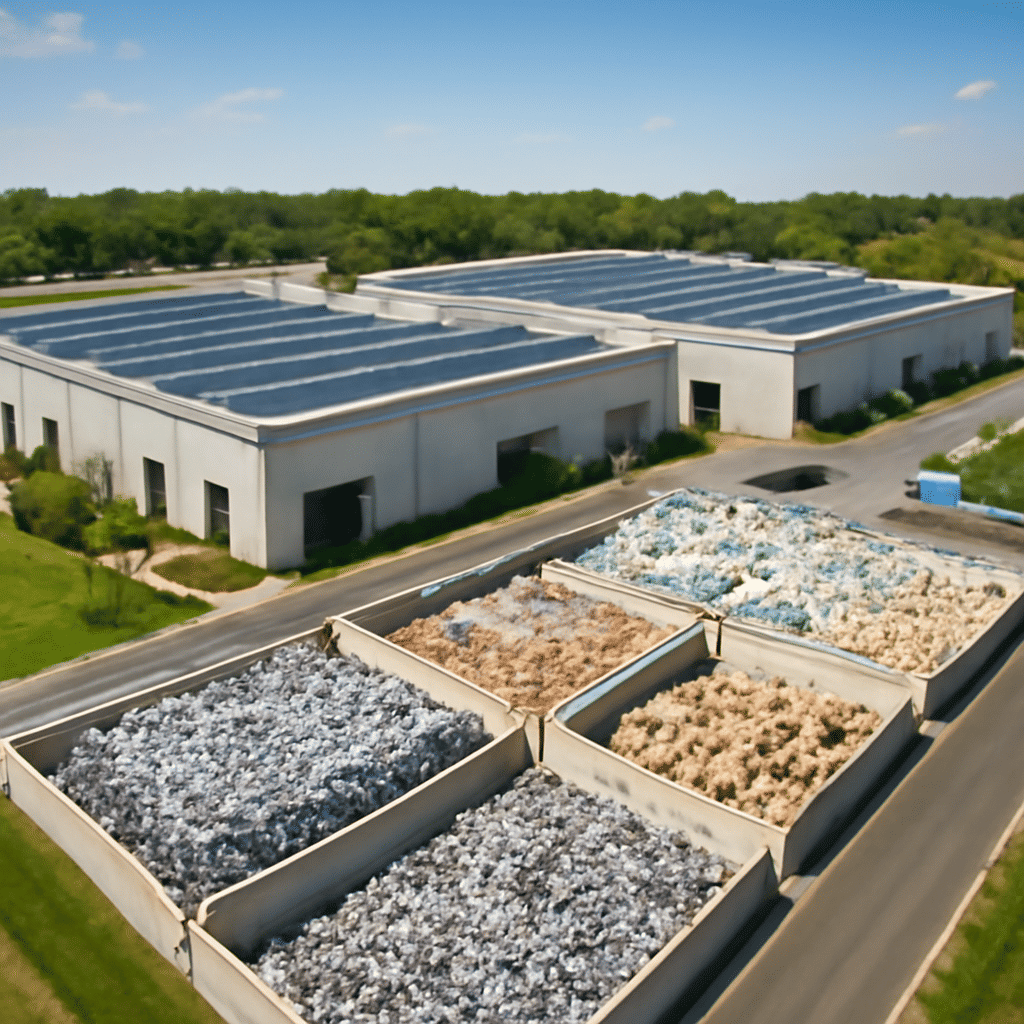
Waste management is another area where sustainability can make a substantial impact. The "reduce, reuse, recycle" mantra is more relevant than ever. Businesses and communities are encouraged to minimize waste production by opting for reusable materials, reducing packaging, and implementing comprehensive recycling programs. Composting organic waste is another effective strategy, turning waste into valuable nutrients for soil rather than contributing to landfill problems.
Sustainable agriculture practices also play a crucial role in an eco-friendly framework. Techniques such as crop rotation, organic farming, and agroforestry promote biodiversity and soil health. These methods not only increase agricultural productivity but also reduce the need for synthetic fertilizers and pesticides, diminishing their harmful environmental effects.
Moreover, incorporating green building standards in construction, such as using non-toxic materials, maximizing natural light, and ensuring proper insulation, can greatly reduce energy consumption and improve indoor air quality. Similarly, promoting sustainable transportation options like cycling, electric vehicles, and public transit reduces carbon footprints and supports cleaner, healthier urban environments.
Businesses committed to eco-friendly practices often find that these efforts align well with economic interests. Sustainable practices can lead to cost savings through increased efficiency and reduced waste. Companies that prioritize sustainability can also enhance their brand image, attracting like-minded customers and employees who value corporate responsibility.
Ultimately, the transition to eco-friendly practices is not just beneficial; it is imperative for the health of our planet and future generations. By integrating sustainability into everyday decisions and operations, we can collectively pave the way for a greener, more sustainable future. As we continue to innovate and develop new technologies, the possibilities for eco-friendly practices will expand, offering even more ways to contribute positively to our environment. Through these efforts, we can move towards a future where economic prosperity and environmental stewardship go hand in hand, ensuring the well-being of our planet for years to come.